Is Your Child Highly Sensitive? 8 Signs They Feel the World More Deeply (And Why That’s a Gift)
If your child has big emotional reactions, gets overwhelmed easily by noise, lights, or crowds, or seems extra tuned in to how others are feeling, they might be a highly sensitive child (HSC).
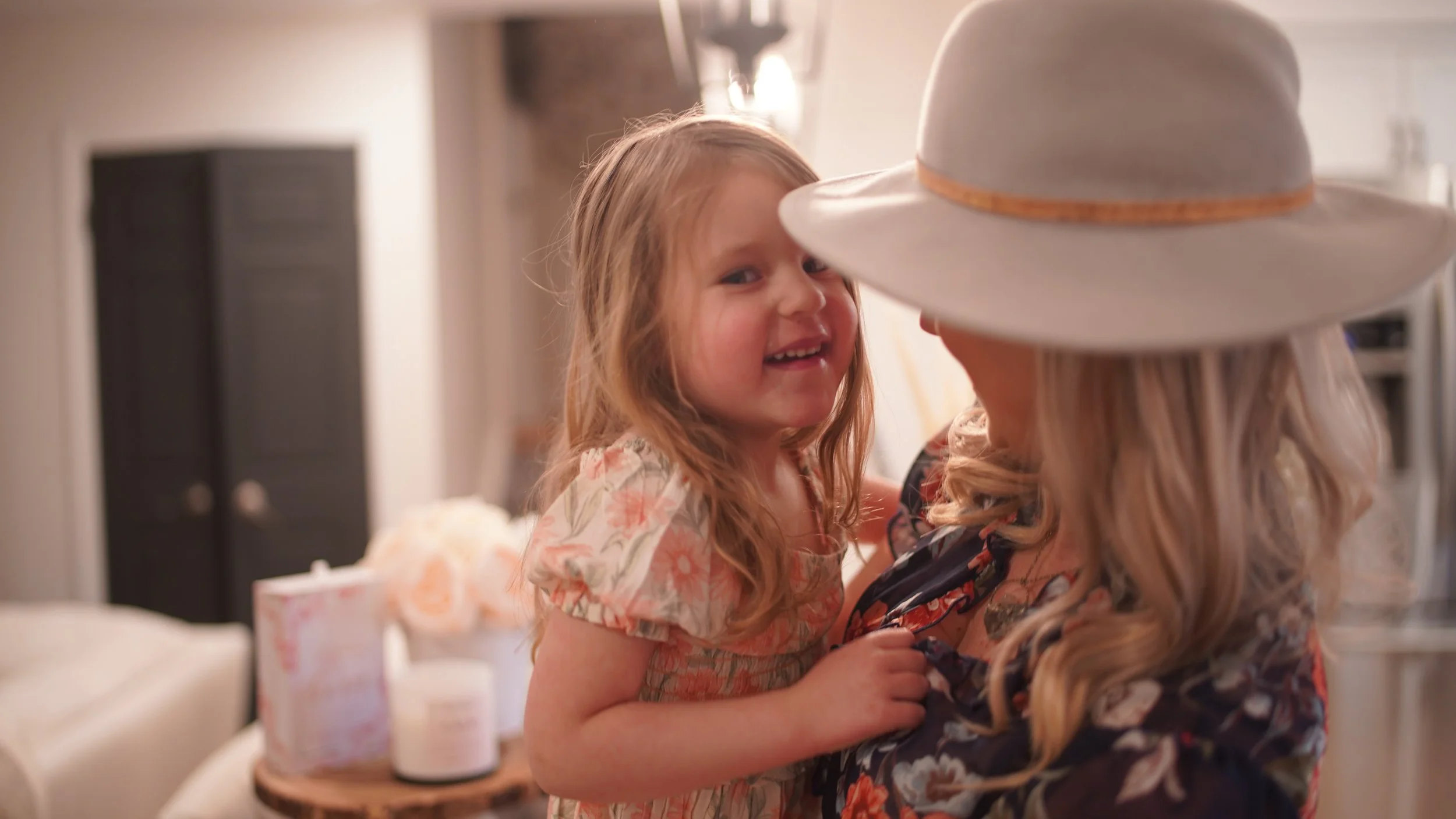
Here’s how to tell if your child is a Highly Sensitive Child and why there’s nothing “wrong” with them.
Parenting can feel exhausting when your child has meltdowns over seemingly the smallest things, digs in their heels intensely, or absorbs every bit of their environment.
You might wonder: Is my child just dramatic? Too sensitive? Being defiant or strong-willed on purpose?
The truth is, they might simply be highly sensitive, a temperament trait (also called sensory processing sensitivity or SPS) where their nervous system takes in more sensory and emotional information and processes it more deeply.
This is not a sensory processing disorder. There’s nothing wrong with how their brain works. It’s simply a genetic temperament trait, inherited like eye or hair colour. It’s not something they “grow out of,” and it’s definitely not a flaw. They just experience the world more intensely.
fMRI brain scans of highly sensitive people show stronger responses in areas that process sensory input and emotions. For example, when viewing images of a crying child, a happy face, or hearing loud sounds, relevant brain regions (like those involved in empathy, awareness, and sensory integration) activate more intensely.
About 15–20% of the population (children and adults) share this trait. People who aren’t highly sensitive can still be empathetic or caring, they just don’t experience the same depth of emotional or sensory response.
Highly sensitive or deeply feeling children feel everything more vividly. The highs are higher and bring deeper joy, gratitude, creativity, and passion; the lows are lower with stronger frustration, sadness, or overwhelm. Their empathy runs deep, their intuition is sharp, and they notice subtleties others miss.
Because sounds, lights, smells, textures, emotions, and more bombard their finely tuned systems, their system have to work harder to stay regulated…often leading to those frequent big, explosive outbursts after building up in overdrive.
The best news? With understanding and gentle support, this trait becomes a SUPERPOWER. It fosters intuitive, creative, compassionate leaders; passionate change-makers; deep thinkers; talented artists; and loyal friends.
Many successful people embody these traits, such as Albert Einstein (imaginative, reflective, sensitive to subtleties), Taylor Swift (deeply captures complex emotions and has spoken about her sensitivity), and others known for perfectionism, emotional intensity, and visionary creativity.
Why trying to “toughen them up” backfires
Children forced to suppress who they are often grow into adults with lower resilience. They internalize shame, believing something is wrong with them, rather than embracing their wiring to thrive.
Instead, we gently expand their tolerance for stimuli and frustration within their window of tolerance. Pushing too far outside it leads to resistance, shutdown, or bigger meltdowns.
We can nudge them slightly beyond their comfort zones, but only when they feel emotionally and relationally safe, accepted, and understood.
The window of tolerance is their current capacity to handle challenges it fluctuates based on sleep, hunger, thirst, overstimulation, past experiences, and more.
What Highly Sensitive Kids Need
Predictability and gentle transitions (being rushed triggers panic)
Calm correction, not harsh discipline (shame hits them much harder)
Quiet downtime to recharge after stimulation
Validation before problem-solving: “That noise was really loud. It makes sense it scared you.”
How to Know If Your Child Might Be Highly Sensitive
No child shows every sign, but if several resonate strongly, it’s worth exploring. (See below for a simple quiz/tool to find out if your child is highly sensitive!)
Here are 8 common signs:
Big emotional reactions that seem “too much” for the situation
Intense explosions of anger, tears, or joy over things that don’t faze other kids. Emotions linger; they can’t just “shake it off.”Easily overstimulated or overwhelmed
Meltdowns often hit during or after busy events (school, parties, playdates). They hold it together in public for as long as they can, then crash at home with irritability, withdrawal, or big feelings.Heightened sensitivity to sensory input
Overwhelmed by loud noises (vacuums, toilets, fireworks), bright lights, strong smells, clothing tags/seams/textures, temperature changes, or crowded places leading to sensory overload.Deep empathy and attunement to others
They instantly pick up on moods…your stress, a friend’s sadness….and feel it as their own. Often caring, loyal, and wise beyond their years.Startles easily or notices subtle details
They spot tiny changes (a moved toy, your shifting tone, a new object) and may seem cautious or hesitant in new situations, preferring to observe first.Perfectionism, rigidity, or strong need for predictability
Transitions feel hard; being rushed triggers panic. They may insist on routines or get upset if plans change unexpectedly.Holds it together publicly, then releases at home
Many internalize in busy settings to “fit in,” saving the big emotions for the safety of home.Intense inner world
Deep thinkers who ask profound questions, feel things passionately, and often prefer quiet activities over constant stimulation.
If these sound familiar, your child isn’t “difficult”, their nervous system is just more finely tuned. They experience the world more vividly, which can be exhausting but also incredibly rewarding.
Why This Matters (And How Environment Shapes It)
High sensitivity is mostly genetic, but epigenetics shows environment influences how it expresses. In nurturing, attuned homes, it blooms into strengths like empathy, intuition, and creativity.
In stressful or misunderstanding environments, it can amplify anxiety, shame, or hypervigilance.
Highly sensitive kids are “differentially susceptible” meaning they are more impacted by both positive and negative experiences. Your responsive parenting (validation, calm co-regulation, gentle boundaries) literally helps wire their brain for resilience and security.
They thrive with:
Consistent, predictable responses and attunement
Gentle transitions and correction (shame hits harder)
Validation first (“That was really loud, it makes sense it scared you”)
Downtime to recharge and sensory breaks
Understanding and acceptance without pressure to change
It’s important for you to know - You’re Not Alone!
If you’re nodding along, know this….Your child is exceptional! Understanding their wiring lets you support them better by gently expanding their window of tolerance within safety and connection.
Take 3 minutes to complete the free quiz below to help parents like you support your deep feeler more effectively becausewhat works for most kids often doesn’t for our big feelers!
In the meantime, try one small shift - Next time they have a big reaction, pause and validate before problem-solving. It can change everything.
You’ve got this! And so do they!
Michelle
XO
“Michelle here, parenting coach for intense, deeply feeling kids. Join my email list for more strategies that actually work! Or book a call if you’d like personalized support.”